


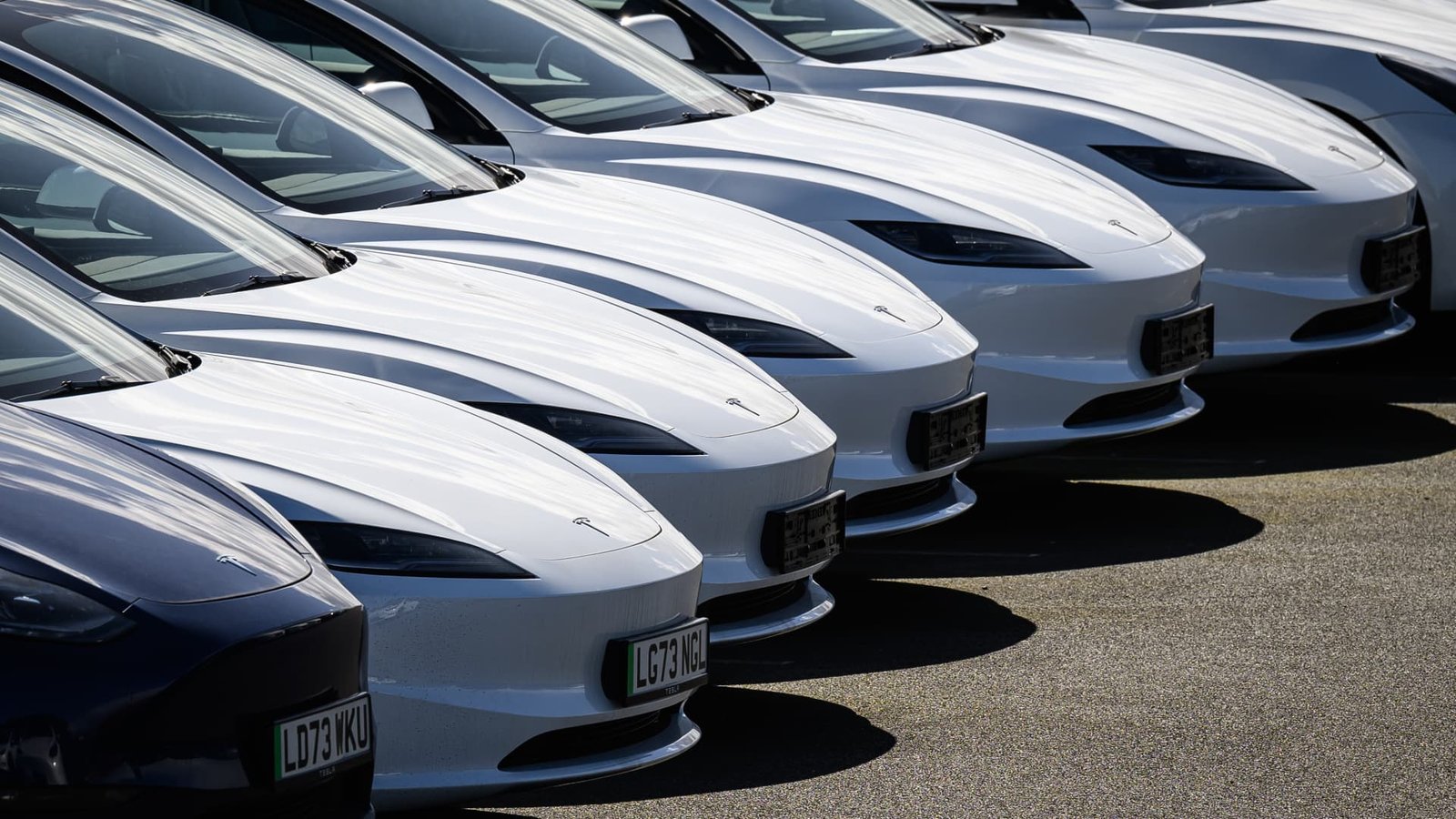
New Tesla vehicles are seen lined up in a storage area near a customer pickup location on April 15, 2024 in London, England.
Leon Neal | Getty Images
Rising auto insurance costs have been a major driver of inflation over the past year, but they may be easing, according to Bank of America.
The bank’s economists say some of the factors behind rising costs could ease in the coming months, easing some of the pressure on the sector that has been pushing the Fed to continue fighting inflation.
“The sharp increases in auto insurance rates are a response to the industry’s underwriting losses, which insurers have suffered,” Steven Juneau, an economist at Bank of America, said in a note. But he added that there are “signs that many insurers are returning to profitability.”
Juneau said the hit to insurers, which was passed on to consumers, came primarily from three sources: higher vehicle prices, increased repair costs and “an increase in accidents as driving trends return to normal.”
There is good news on that front.
According to Bureau of Labor Statistics data through April, sales prices for new and used vehicles have been trending downward in recent months, dropping 0.4% and 6.9%, respectively, on a 12-month basis, while repair and maintenance service costs were flat in April but up 7.6% from a year ago.
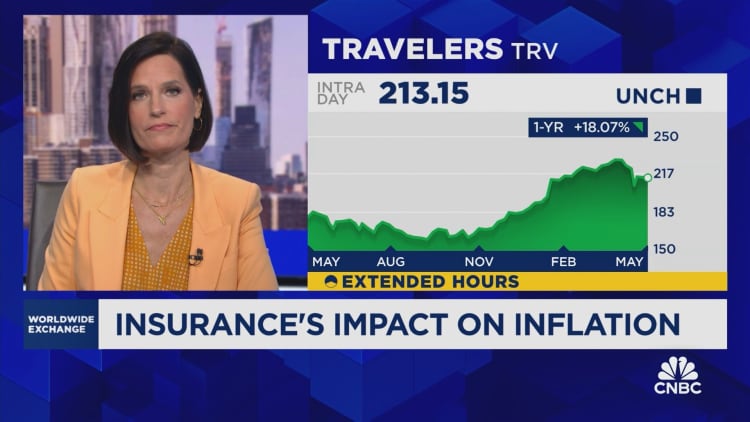
However, auto insurance prices continued to rise.
The category rose 1.8% from the previous month in April and 22.6% from a year ago, the biggest annual increase since 1979, according to Bank of America.
In the calculation of the CPI, auto insurance has a weighting of about 3%, making it a significant factor.
Juneau said recent trends “don’t mean premiums will go down, but we think the rate of increase should slow.”
Here’s the general trend for inflation: Prices aren’t falling, but the rate of increase is well below the pace expected in mid-2022, when inflation hit its highest level in more than 40 years. Overall CPI inflation stood at an annualized 3.4% in April.
There’s another bit of good news when it comes to Fed policy.
The central bank’s main inflation measure is the Commerce Department’s personal consumption expenditures index, not the BLS consumer price index. Auto insurance has a small weighting in the PCE index, meaning it is a smaller driver of inflation.
If Bank of America’s insurance disinflation forecast proves accurate, it would at least give the Fed more confidence to start cutting rates later this year. Current market prices suggest the first rate cut is expected in September, with another cut likely before the end of the year.
“We believe further improvement in this overall picture is one of the keys to the Fed gaining more confidence in the disinflation process and initiating a rate-cutting cycle,” Junod said. “Until then, we expect the Fed to keep rates on hold.”