


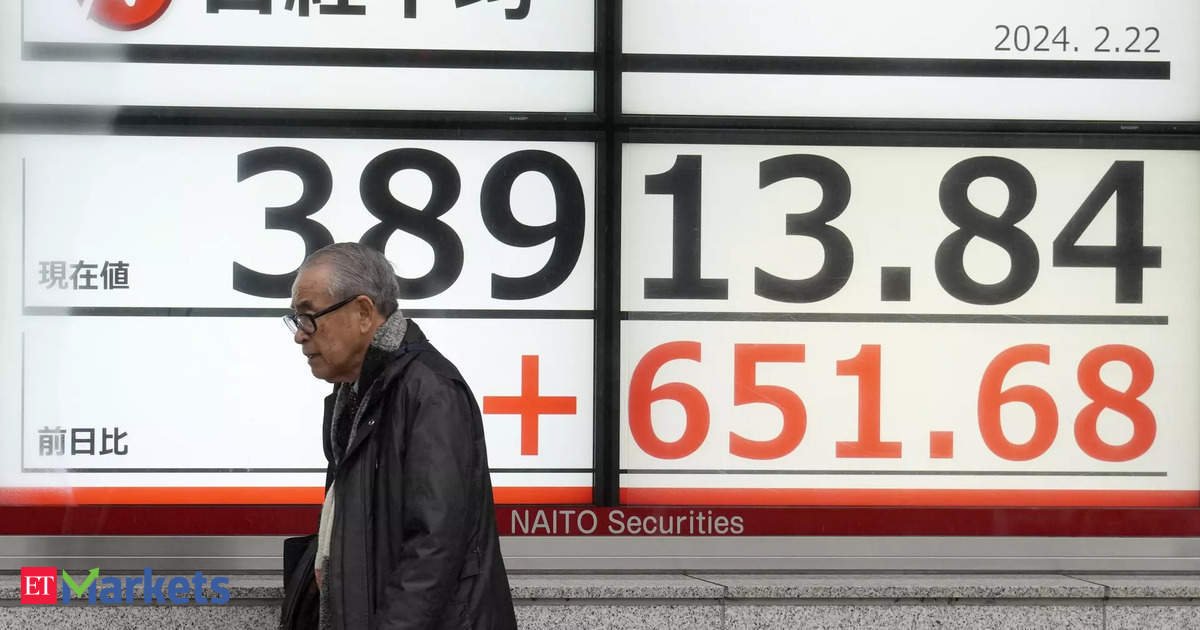
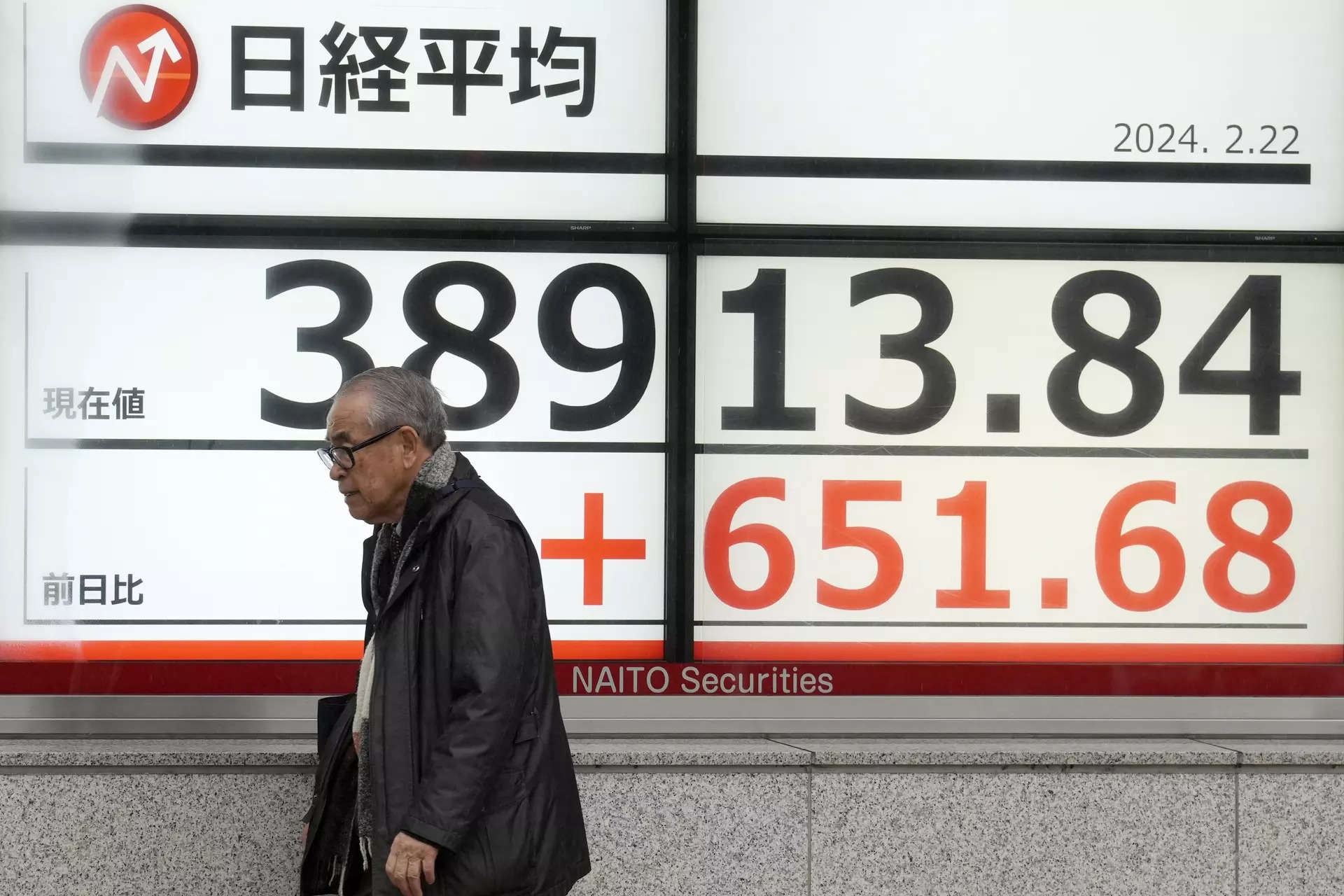
The Nikkei Stock Average rose 0.95% to close at 39,173.15, its highest since April 15. The Tokyo Stock Price Index rose 1.72% to 2,787.37.
Investor sentiment towards artificial intelligence (AI) and semiconductor stocks remained subdued during Asian trading hours after U.S. chip giant Nvidia fell for a third consecutive trading day on Monday, helping the Philadelphia SE Semiconductor Index close down 3.02%.
Disco fell 5.5%, the biggest drop in the Nikkei average, while Tokyo Electron fell 1.7%.
Meanwhile, a weaker yen continued to support export-related stocks, with Toyota Motor closing 4.6% higher. A weaker yen helps boost Japanese exporters’ overseas earnings as they repatriate. Financials saw broad-based gains as investors opted for value stocks over growth stocks. Insurance companies led the sector gains, rising 4.3%, followed by automakers and parts makers. “The Nikkei is a value-oriented market, and investors may rebalance to increase exposure to lagging parts of the market as the quarter-end approaches,” said Charu Chanana, global market strategist and head of FX strategy at Saxo.
“With the risk of a stronger yen in the second half of the year increasing, a selective, bottom-up approach to Japanese equities could become more attractive going forward.”
The Nikkei stock average hit a record high of 41,087.75 on March 22 but fell the following month. It has struggled to hold above the 39,000 mark for the past two months as investors keep a close eye on volatility in currency and bond markets, as well as the Bank of Japan’s outlook.
Among individual stocks, Uniqlo’s parent company Fast Retailing rose 1.1%, having the greatest positive effect on the Nikkei average.
The top gainer was heavy machinery maker IHI, which rose 9.7% to its highest level in six years.